
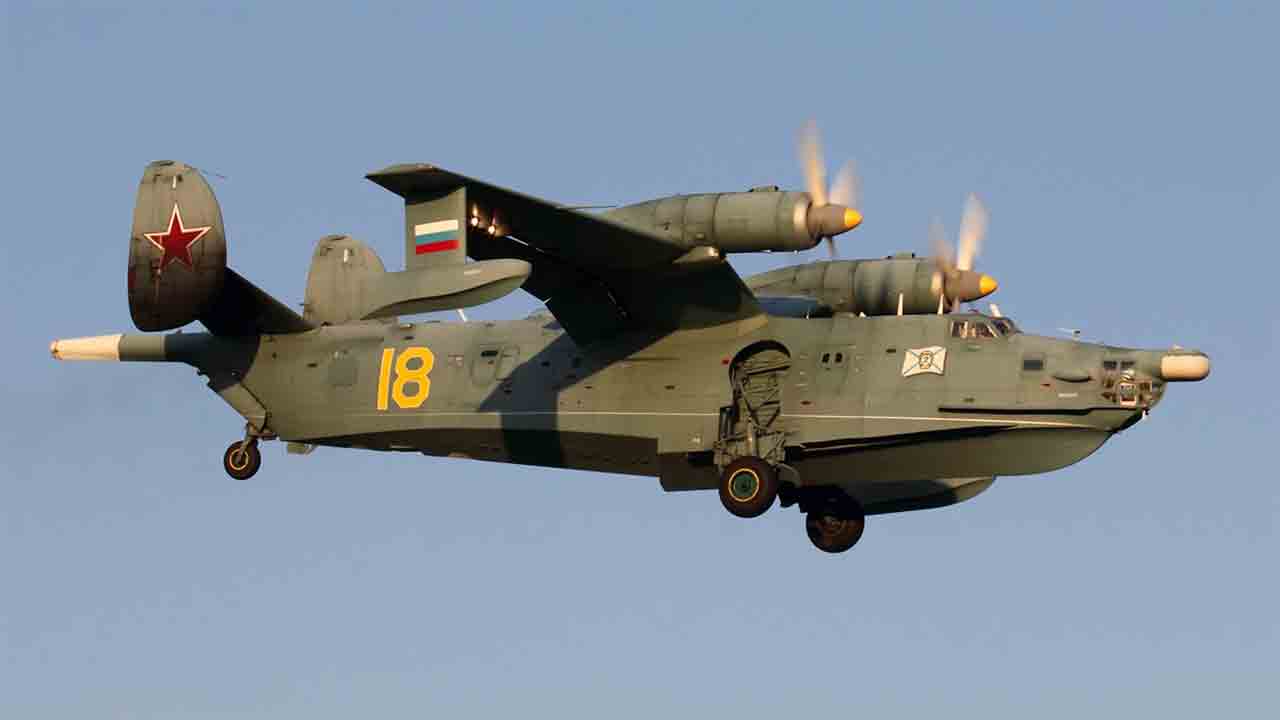
Capable of landing on water and operating in maritime patrol missions, the Beriev Be-12 became one of the most iconic anti-submarine platforms in Soviet aviation.
The Beriev Be-12, known by the NATO reporting name Mail, is one of those military aircraft that seems to have come from an era when ruggedness, range, and survivability were absolute priorities.
Developed by the Soviet Union for maritime patrol and anti-submarine warfare missions, the aircraft combined the structure of a flying boat with the strategic role of locating and neutralizing threats beneath the sea surface.
At the height of the Cold War, when the presence of enemy submarines represented one of the greatest challenges for naval forces, the Be-12 emerged as a direct response to that scenario. Its role was to patrol vast maritime areas, detect suspicious contacts, deploy sonar buoys, and, if necessary, use torpedoes and depth charges against submerged targets.
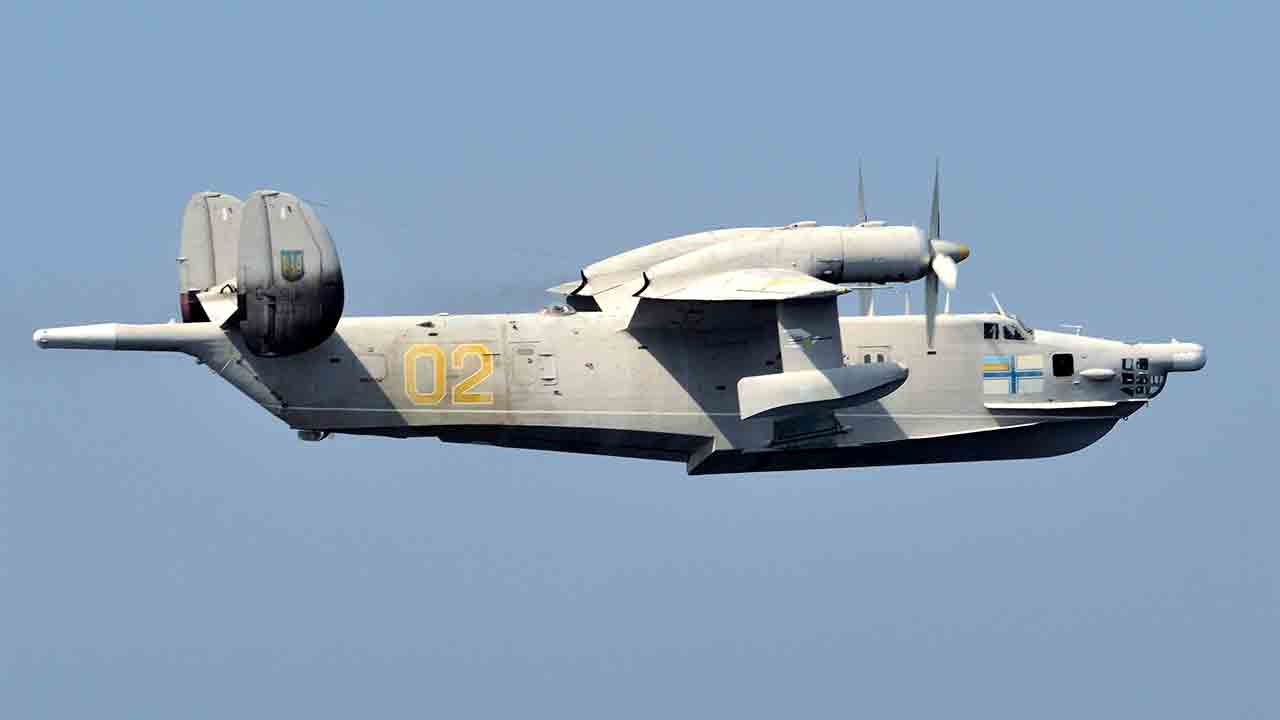
The aircraft’s biggest advantage was its amphibious capability. Unlike many patrol aircraft of its era, the Be-12 could operate both from conventional runways and directly from the water, expanding its flexibility in naval, search-and-rescue, and support missions. This feature made it a unique platform within Soviet military aviation.
Its design also helped cement its reputation. With a boat-shaped fuselage, high-mounted wing, and turboprop engines installed above the main structure, the Be-12 was built to withstand the maritime environment and continue operating in demanding conditions. The result was an aircraft with an unusual appearance, but one highly suited to the type of mission it was created for.
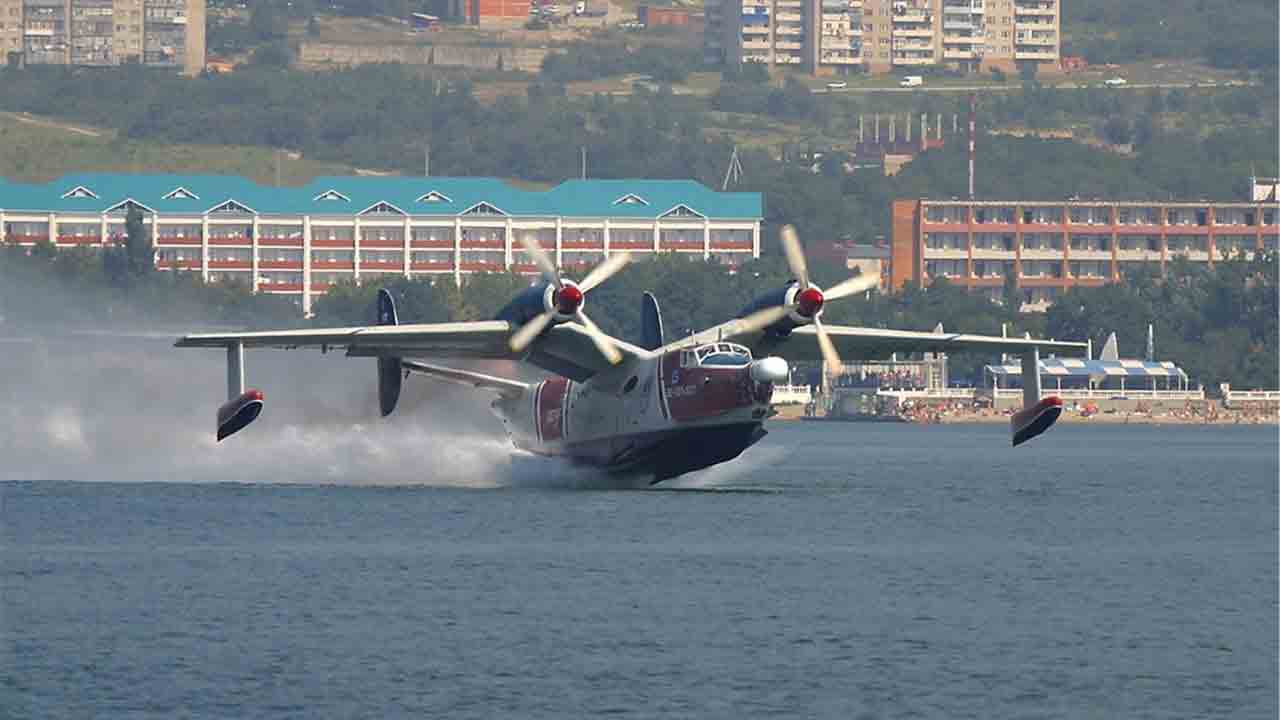
In addition to anti-submarine warfare, the Be-12 was also used for coastal surveillance, naval patrol, sea rescue missions, and support operations. Its long endurance allowed it to remain over strategic areas for extended periods, a key advantage for forces that needed to monitor sensitive regions during times of heightened military tension.
Even decades after its first flight, the Be-12 is still remembered as one of the most iconic military amphibious aircraft ever put into service.
More than an exotic design, it represented a practical solution to a critical need in Soviet naval strategy: finding submarines, controlling maritime areas, and maintaining a presence where few aircraft could operate.
